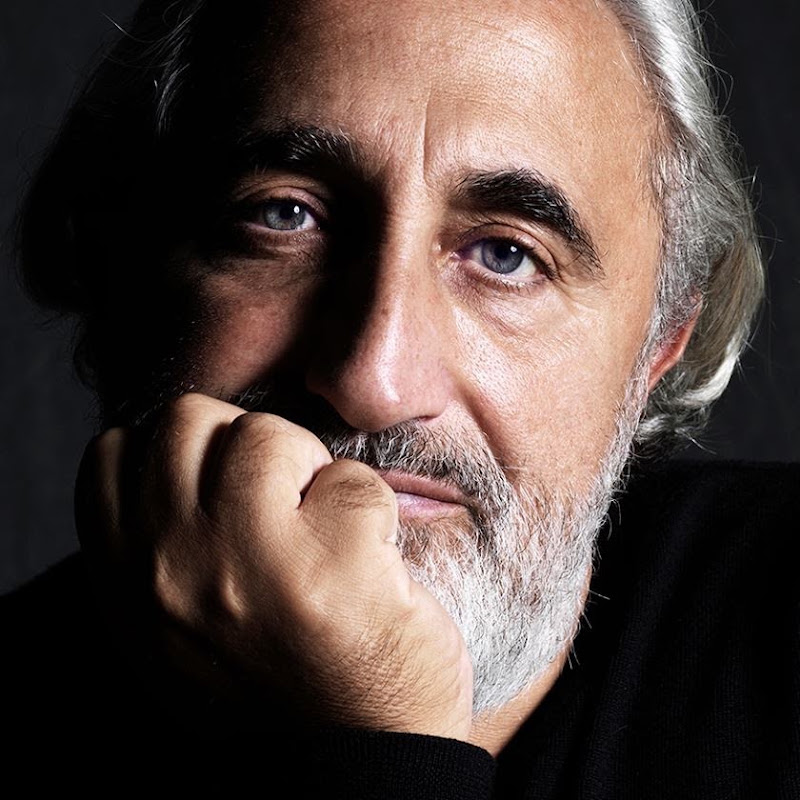
Transcript [00:00] Americans endorse the ideal of liberty [00:02] and justice for all, but while the [00:04] current educational system gives [00:06] students ample opportunity to study [00:09] issues of justice, it overlooks the [00:11] liberty part of the American tradition. [00:14] The Declaration of Independence Center [00:16] at the University of Mississippi exists [00:18] to create opportunities to study that [00:21] neglected part of this inheritance. We [00:24] want students to appreciate the [00:26] commitment required to preserve America [00:28] as a free, sovereign nation. We want [00:31] students to understand their rights to [00:33] free speech, assembly, and worship as [00:36] enshrined in the Bill of Rights. We want [00:38] students to value the environment of [00:40] liberty made possible by the US [00:42] Constitution, which was designed to [00:45] thwart exercises of arbitrary and [00:48] tyrannical power. And we want students [00:50] to cherish the ideal of freedom as [00:53] self-government built upon the moral, [00:56] ethical, and religious traditions unique [00:59] to Western civilization and culture. The [01:01] Declaration Center advances these goals [01:04] with academic programming, scholarships, [01:07] and public events, and we hope that [01:09] you'll visit our website or follow us on [01:11] social media to learn more. Hi [01:14] everybody, this is Gad Saad. Another [01:16] fantastic guest for you today, and we're [01:18] connected through his son. I'll talk [01:20] about that in a second. I've got Hesh [01:23] Kesten with me, who is a former foreign [01:26] correspondent mainly for Forbes, but [01:29] has written for many people. First, let [01:31] me say hello Hesh, welcome to the show. [01:33] >> Thank you very much. I'm honored to be [01:35] here, Gad. [01:36] >> Oh, it's so good to be with you. And I [01:38] might be correct in saying cuz I saw you [01:40] light up a cigar. You might be the first [01:44] Saad Truth guest smoking a cigar on the [01:47] show. So kudos to you, sir. [01:50] >> If you wait long enough, you'll see me [01:52] drinking as well. [01:53] >> Good, good. Now, would that be if you're [01:55] drinking, is that because the [01:57] conversation is going well or poorly? [02:00] >> It's [02:00] >> it's I I drink when I'm happy. Also [02:03] also sometimes when I was a war [02:05] correspondent, when I was under fire. [02:07] >> Ah okay, fair. Okay, so let's see if [02:09] we'll get the the the alcohol flowing. [02:11] Let me mention so after you were a [02:13] foreign correspondent, [02:15] you then became a prolific author. Let [02:17] me work I think from [02:20] earliest to latest. Here are your books [02:23] based on a true story. [02:25] I like I love the title the next one The [02:27] Iron Will of Shoe Shine Cats. Then we've [02:30] got The Lie. Then we have The Siege of [02:34] Tel Aviv and then the your most recent [02:37] one The Wrong Jew Defeating those who [02:40] wanted us dead and you have your own [02:42] cancellation story. Anything you want to [02:45] add to your intro before we get going? [02:48] >> No, but I [02:49] I was thinking when you said a former [02:51] foreign correspondent, I prefer to think [02:53] of myself as a recovering foreign [02:55] correspondent. [02:56] >> [laughter] [02:57] >> Now why is that? It wasn't it wasn't a [02:59] good career choice? [03:00] >> Well because because you know journalism [03:02] is known as the the [03:05] the first draft of history, but the fact [03:07] is that journalism is [03:11] in and of itself a kind of pretense at [03:15] the truth. [03:17] We know very little about [03:20] the bigger picture when we're in the [03:22] field writing this stuff. [03:24] We always think that we do know and in a [03:26] sense [03:28] fiction, which I turned to, gives us a [03:30] much better picture of the truth if it's [03:32] done well and truly [03:35] than [03:36] the so-called truth that we [03:39] make a living at. [03:40] >> I I can I can relate to what you're [03:42] saying but in a in a in a slightly [03:44] different way. So I'm a by by [03:47] in terms of my academic career, I apply [03:50] evolutionary psychology to study human [03:52] behavior and evolutionary psychology can [03:55] be applied to many disciplines including [03:57] literature, fiction where [04:00] the argument is that the reason why [04:02] literature titillates us so is because [04:05] it is an accurate window to our human [04:07] nature. So that speaks to exactly what [04:09] you're saying, right? [04:10] >> I I agree. In fact, [04:14] my mentor in [04:16] in these matters was a a fellow named [04:20] who [04:21] was Lieutenant General in the IDF [04:25] and he was the [04:27] head of military intelligence [04:31] at the time of the Six-Day War. [04:33] And he said what we need [04:37] in military intelligence is fewer [04:39] analysts of what was and more novelists [04:43] about what will be or maybe. [04:47] >> Very interesting. [04:48] One of I mean we'll we'll get back into [04:50] sort of the main issues that we want to [04:52] discuss, but since I have a novelist in [04:54] front of me, [04:56] one of my great regrets so far, which I [04:59] think I can remedy at any point, is that [05:02] when I look at my reading diet, [05:06] I'm much more of a non-fiction guy and I [05:10] and I say I regret that I'm not more of [05:12] a fiction guy because there's tons of [05:13] great literature that I've yet to read. [05:15] I'm trying to remedy that now by buying, [05:19] you know, all of you know, many of the [05:20] classics and hopefully reading them. You [05:22] know, many years ago I bought Crime and [05:24] Punishment by Dostoevsky. I'm trying to [05:26] convince my daughter to read it now. [05:29] What's your reading regiment? Are you [05:31] more of a fiction guy or are you equal [05:33] 50/50? What's your story? [05:35] >> Actually actually both, but now that you [05:38] say you want to read more [05:40] fiction, I I sort of got the inference, [05:43] made the inference that I'm going to [05:44] have to send you some novels [05:46] which I will. [05:48] >> Meaning your novels or your Oh yeah, not [05:51] anybody else's. Listen, I'm in [05:53] competition with a lot of people and [05:55] the the [05:57] the sad fact, not the [06:00] sad fact [06:02] uh about Western culture is that we have [06:05] produced uh [06:07] uh general literacy [06:10] uh in the western world, which is uh a [06:13] huge change from what [06:15] was true even as few as about 200 years [06:18] ago. [06:19] Uh and everybody believes that because [06:21] they read they can write. [06:24] So my uh [06:26] uh my problem is uh the world is flooded [06:29] with [06:31] bad fiction uh and and there's there's [06:33] really no [06:35] to stand out. And the way we stand out [06:37] uh is uh [06:39] to become [06:41] our own marketers. And if we're [06:43] marketing our own stories, we're not [06:47] writing them. And it it's you know push [06:49] me pull you. You can't you can't do both [06:51] at the same time. So I I spent uh I [06:55] guess 20 years after I uh gave up uh [06:58] journalism [07:00] uh being a uh purely a novelist. And I [07:04] realized from [07:05] uh [07:07] about midway that I have to push uh my [07:10] stuff before the world. And one of the [07:13] ways that the world pushed back, [07:15] unfortunately, was in censoring me, [07:18] which is [07:19] >> Well, we'll get into that in a second. [07:20] Hold on a second. I just [clears throat] [07:22] want just because I remembered that I [07:23] promised that I would mention that how [07:25] you and I connected and I don't think he [07:27] would mind that I mentioned the story [07:29] publicly because it's a beautiful story. [07:31] So I was with my family uh [07:35] in Israel uh this past January. Uh I was [07:38] giving a a a talk in Tel Aviv and then [07:41] another one in Jerusalem. And as our [07:44] guide was taking us to various areas [07:46] between these two talks, uh at one point [07:49] he said, oh I I hear professor that [07:51] you're a soccer fan and so on. I said, [07:54] yeah I'd love to go to a game and so on. [07:56] And so he starts to find a he's trying [07:59] to find a way to get me to go to a a [08:01] game. And he says, oh there's a great [08:03] game coming up between uh Maccabi [08:05] Netanya and uh Maccabi Haifa. Let see if [08:09] I can make some calls. And these are [08:11] very well-connected guys. And he can't [08:13] he can't come up with a with a solution [08:15] to the problem. So in my incredible [08:19] I I decide Did you know the story by the [08:22] way? Uh [08:23] >> I'm suspecting where you're going with [08:25] this. [08:25] >> Okay. [08:27] So I said, oh, who who owns either [08:30] teams? Tell me who owns [08:33] Maccabi Netanya? He So he he gives me [08:35] the the contact. Now I I've never met or [08:38] spoken with [08:40] Ross, your your your son. [08:42] And so I find him on LinkedIn and I send [08:45] him a quick request without the [08:49] requisite sort of salutation, dear Mr. [08:52] Kesten so on. I'm like, this is Gad Sad. [08:56] The Sad family [08:58] needs four tickets. [09:00] So he responds right away. Oh, what a [09:02] pleasure it is to hear from you. Here [09:04] are the four tickets. Within an hour or [09:05] two, we're at this unbelievable game. [09:08] And then eventually we got to know each [09:10] other and he said, you know, you really [09:11] need to speak to my [09:12] father. He's a he's a great guy. I think [09:14] you guys will have a great conversation. [09:16] Did that story surprise you or is that [09:19] part and parcel of your son? [09:21] >> It It is my son. The only disappointing [09:23] thing here, the only negative for me is [09:26] that I lived in Israel for 20 years. [09:29] I was pretty well known [09:31] cuz I also ran a an Israeli newspaper. [09:34] And [09:36] when I walk with Ross on the street [09:39] anywhere in Israel, not just in Netanya, [09:41] but in Tel Aviv or Jerusalem, people [09:43] stop and shake his hand, [09:47] not mine. [09:48] It is It is It is I don't know if it's [09:50] if it's as a father, I'm very happy. [09:53] >> Exactly. I was going to say, don't you [09:54] want as a good father for your [09:56] >> a novelist, [09:58] there's some question. [09:59] >> [laughter] [10:00] >> Fair enough. Okay, so let's now turn to [10:02] your own cancellation story which you [10:05] sent me in in your inaugural email when [10:07] when when we first started speaking, you [10:09] told me about it. Please tell us that [10:10] story. [10:11] >> Okay. You know, the funny thing about [10:13] this is that [10:16] I never expected to be a martyr. [10:20] It's it's a very strange feeling and one [10:23] which I don't want to continue being, [10:27] but it looks like this is my fate. The [10:30] good thing is it happened when I was in [10:32] my 70s. So that would be about [10:36] seven years ago now. And the story is [10:39] very simple. [10:40] So I had written [10:43] a novel called The Siege of Tel Aviv, [10:46] and it was being brought out was brought [10:48] out by a boutique publisher named Zank, [10:52] D Z A N C [10:56] that puts out [10:59] that time, I think they were putting [11:00] about 20 books out a year. [11:03] And [11:04] they did a very good job with my books, [11:06] and so I wanted to be placed with them, [11:08] even though my previous publisher was [11:10] Scribner, which is the [11:13] the Rolls-Royce of American publishing. [11:16] Unfortunately, if you've ever known [11:17] anybody with a Rolls-Royce, [11:21] [laughter] they're never happy with it. [11:24] So [11:25] anyway, this was a very [11:27] a personal boutique publisher. [11:30] And [11:32] the day of publication [11:36] on Twitter, which is now X, [11:40] some 13 [11:43] messages came out [11:45] accusing [11:47] me and the book The Siege of Tel Aviv of [11:49] being Islamophobic and racist [11:54] because the book tells [11:56] what [11:58] theoretically may happen had [12:02] what happened on October 7th been [12:05] widespread, and [12:08] five [12:10] Islamic [12:11] armies led by Iran [12:15] overrun Israel, conquer Israel and uh [12:20] when the smoke clears some six million [12:24] of the eight million Jews [12:27] in Israel are transferred [12:31] usually by rail [12:33] to [12:35] an internment camp that is ghetto Tel [12:37] Aviv. [12:39] And people are living on the street on [12:40] the beach waiting either to be [12:44] annihilated, murdered [12:47] or being saved by the West. [12:50] The West does not come to their defense [12:54] and in fact [12:55] through lock and pluck [13:01] certain [13:03] darker elements within Israel assume the [13:07] leadership of the resistance as happened [13:09] during World War II where the [13:14] Jewish gangsters were pretty much [13:17] gangsters and poets were the only [13:19] defenders of the Jews in the Warsaw [13:21] ghetto. [13:23] So it it ends happily. [13:25] There's a lot of death and destruction. [13:29] But [13:30] what these people were who were offended [13:33] by the [13:36] by the theory of the book, the thesis of [13:38] the book was that [13:42] bad Islam conquered [13:46] good Israel in their eyes and they [13:48] didn't see it that way. They said [13:51] Islam is a [13:53] is a religion of peace. [13:57] It's also a religion of bomb throwing, [13:59] but we know that as well. [14:01] >> bomb throwing, peaceful yes. [14:03] >> So [14:04] we'll we'll get to that. [14:07] But what happened then was very strange [14:10] for me. The publisher [14:13] immediately got back to me and said, [14:15] don't worry, everything's okay. I have I [14:18] have your back and nothing bad will [14:21] happen. Two weeks later, he recalled [14:23] 10,000 copies of the book from [14:25] bookstores all across North America and [14:27] Canada [14:29] and had them pulped. Uh [14:32] which is to say [14:34] [clears throat] [14:35] apparently [14:36] the Nazis didn't have pulping [14:38] technology. They just burned them and [14:40] wasted it. [14:41] This was eco-friendly. [14:44] And the next step was that my agent [14:49] who was the is I think still the doyen [14:53] of American literary representatives [14:57] decided to no longer represent me [15:00] and [15:01] I couldn't get published. [15:03] And I tried to get published under my [15:06] name, but it was well enough known that [15:10] I hadn't apologized for offending Islam, [15:14] which is the case mostly with people who [15:16] are [15:17] novelists and writers who [15:20] who are censored and and canceled always [15:24] come back and say our mistake, [15:26] we're very sorry. We didn't mean this. [15:29] Take us back. And as in Stalinist [15:32] Russia, that's enough. [15:34] Okay, and that usually is enough. But I [15:37] made the mistake of not apologizing. [15:40] One of the crimes against me was that I [15:43] had [15:44] on the cover misspelled [15:48] the name of the religion or [15:50] those [15:51] who followers of the religion as [15:55] Muslims instead of Muslims. [15:58] m u s l i m [16:02] And I knew that these people who had who [16:05] had been offended had not read the book, [16:07] first of all because [16:10] it was published. [16:11] That is to say it was announced that day [16:14] and sent to bookstores. They hadn't read [16:15] it. What they had read [16:18] was the misspelling of Muslim [16:21] to their eyes, on the cover. In the [16:23] book, actually, it was spelled m u s l i [16:26] m. So they hadn't even read the book. [16:28] And oddly, the book is full of [16:31] courageous Israeli [16:33] Arabs who defend Israel. [16:38] >> So but you didn't mention and by the [16:40] way, sorry if you hear me coughing while [16:42] you're speaking, my apologies for that. [16:43] >> I'm the one who's smoking. [16:46] >> I've contracted a really bad cold. So to [16:48] all our listeners and viewers, my [16:49] apologies for the auditory jihad. But [16:53] anyways, [16:55] you I guess it's okay to mention because [16:57] you mentioned it to me in the email that [16:59] both your [17:00] publisher and your agent were drum roll [17:04] >> Yes, are [17:06] >> are Jewish. [17:08] Which leads me to my next point. I I [17:10] don't know how closely you know, you [17:12] follow all of my contact and my [17:14] writings, but I've introduced the term [17:16] that seems to have [17:17] caught on, the wood cricket Jew. [17:20] Right. So so we could easily put that [17:23] publisher and that agent under the [17:25] appellation of wood cricket Jews, yes? [17:27] >> Yeah, yeah, God, the only thing wrong [17:29] with that appellation is that it is not [17:32] nearly strong enough. [laughter] [17:35] The word is turncoats. [17:37] >> Yeah, fair enough. You know, and but to [17:40] your point, I've written several times [17:43] that I despise the wood cricket Jew more [17:46] than I despise the Muslim or Muslim, [17:51] although Arabic is my mother tongue. [17:53] The the Muslim extremist because what [17:56] could be more execrable than the [17:59] self-loathing [18:01] piggish Jew who says I am more [18:04] enlightened than you God said. You may [18:07] have experienced whatever you did in [18:08] Lebanon, [18:10] but I, Jessica Tarlov on on Fox, I'm [18:14] here to tell you that as the [18:16] representative of Jews, we should all be [18:19] voting for Abdul El-Sayed. Does that get [18:22] your vote as much as it does mine? [18:24] >> I can tell you something more execrable. [18:27] >> Execrable, yes. [18:28] >> Execrable, more shitty than that. [18:31] And and it is because I'm I was always [18:34] asked in Israel, why are you so stupid? [18:37] Why have you come here from America when [18:39] we want to come to America? You know. [18:41] And the truth is I was working for a [18:43] major metropolitan newspaper [18:46] in New York [18:47] in 1967. [18:49] And [18:51] my intention was [18:55] this was in [18:57] in May of 1967. And I read the writing [19:01] on the wall and I realized that war [19:04] would break out in the Middle East. And [19:06] my intention was [19:08] to fly to Israel and be there in time to [19:11] be [19:13] the newspaper's [19:14] correspondent, war correspondent, which [19:17] would elevate my career and also be a [19:19] lot of fun. [19:21] So [19:23] unfortunately I didn't have a passport. [19:25] My passport didn't come in on time. [19:28] And I was forced [clears throat] to [19:31] watch the war from New York. [19:34] And as punishment [19:37] for my [19:38] overweening ambition, [19:41] my editors [19:42] looked around the city room and said, [19:45] Hesh, [19:46] take this photographer and this [19:50] guy on a fellowship, Mexican on a [19:52] fellowship, [19:54] [clears throat] to study American [19:57] journalism and go around to Jewish [19:59] neighborhoods in New York and ask them [20:01] how they feel about the war. This was [20:03] about the third day. [20:05] So [20:06] first I had to explain it to my Polish [20:08] Catholic photographer [20:11] what what I was doing and also to the [20:12] Mexican who had no idea about the [20:15] relationship of the people in New York [20:17] to the people in Israel. [20:20] And [20:21] every one of them [20:23] to a man, [20:24] to a woman, [20:26] uh said the same thing, and it made me [20:29] ill. They said, we're really beating the [20:32] hell out of those Arabs, aren't we? [20:36] Uh and it was very sad for me because [20:39] they weren't beating [20:41] in people first of people were dying on [20:43] both sides, and second, they were not [20:45] doing anything. They were vote they were [20:49] rooting for the Yankees, you know? That [20:51] was it. Uh and uh within two years, I [20:55] became an Israeli. [20:57] >> And and you served in the IDF, correct? [20:59] >> Served for 18 years, yeah. [21:01] >> Right. Uh how do you I mean, of course, [21:03] I've got my own you know, theories as to [21:06] what drives the wood cricket Jew, but [21:08] I'd I'd love to hear yours. What do you [21:10] think explains the fact that so many [21:13] Jews are so quote progressively [21:15] enlightened uh are are picketing for, [21:19] you know, Mam Dani and Abdul El Sayed? [21:22] Like, for example, uh Mandy Patinkin, [21:25] whom who I didn't know who he was until [21:27] I started seeing his recent uh clips [21:30] where he is just imploring everybody. [21:32] Look, I'm Jewish. I'm Mandy Patinkin, [21:35] and I can tell you Jews cannot feel safe [21:37] in the United States unless they are [21:40] protected by the overlord Abdul El [21:42] Sayed. So he's he's taken on the reflex [21:45] of a Do Do you know what the term dhimmi [21:47] means? Do Do you know what that is? [21:49] >> do know. I do it. [21:50] >> Okay, exactly. So let me just mention it [21:51] for for our viewers and listeners who [21:53] don't know what that is. So a dhimmi in [21:55] in Islamic tenets is [21:58] the people of the book, meaning [22:00] Christians and Jews, who could [22:02] potentially be tolerated under Islamic [22:05] dominion. Some people say a second-class [22:07] citizen. I think it's even worse than [22:09] second. It's third, fourth-class [22:10] citizen. Know your place, Jew. You will [22:12] pay a jizya attacks, and there'll be a [22:15] bunch of procedures that will always [22:17] make sure that you know your place in [22:19] Islamic society. And so many Jews and [22:22] Christians will take on the psychology [22:25] of dhimmitude whereby, you know, they [22:27] want to make sure that my big boss is [22:30] not upset with me. But this is not in [22:32] Yemen. This is happening in the United [22:34] States. I didn't know that American Jews [22:37] needed the protection of a Muslim [22:39] brotherhood adjacent guy to for us to [22:42] feel safe. Walk us through this, Hash. [22:44] What's going on? [22:45] >> Well, you know, you understand it better [22:47] than [22:49] better than I, but I I can tell you that [22:52] I almost began this podcast by saying [22:59] because [23:01] but I didn't want to get 10 years ahead [23:03] of myself, okay? We are going to be in [23:06] in that [23:09] right now [23:12] Michigan is a is a voting block [23:16] for Arab Americans as it should be, [23:18] okay? Because New York City and Chicago [23:22] and Philadelphia were voting blocks for [23:24] Jews. [23:25] People [23:27] vote for their own interests. [23:29] Unfortunately, the interests of [23:34] I won't say all [23:36] Muslim Americans is [23:40] domination. [23:41] Okay? [23:43] And we'll get we'll get in a moment, I [23:45] think, to to why Jews elect this. [23:48] American Jews have spent the last [23:52] 100 150 years learning to be Americans. [23:56] Israeli Jews have spent approximately [23:59] the same time learning to be Israelis. [24:02] They're as different as night and day in [24:07] in the book The Wrong Jew, [24:09] I start with a joke about two [24:13] Jews facing a firing squad. [24:16] And [24:17] the captain of the squad approaches and [24:20] says, [24:21] do you have one last request? [24:24] And one of them says, yes, I'd I'd like [24:27] a cigarette. [24:28] And the other one says, shh, don't make [24:30] trouble. [24:31] [laughter] [24:33] So okay, so that's one one thing. Jews, [24:37] American Jews don't want to make [24:38] trouble. But but also [24:40] they have lost [24:42] that spark of [24:47] uh defenders of the Warsaw ghetto uh [24:50] that uh [24:52] that moved migrated totally to uh to [24:56] Israel. So these are not strong people. [25:00] These are accountants. These are [25:02] surgeons. These are uh [25:05] these are not blue collar workers who uh [25:09] these are not mobsters. Jewish mobsters [25:11] during World War II and before World War [25:13] II beat the hell out of Nazis in New [25:16] York and Chicago and LA. [25:18] They broke up their meetings. American [25:20] Jews are not like that anymore. They [25:23] were for a short time and it it they [25:26] don't exist. Uh so and in fact the [25:29] the subtitle of the book defeating those [25:33] who want us dead is [25:35] where is it? Oh yes, David didn't defeat [25:37] Goliath with a tennis racket. [25:40] [laughter] Didn't happen. Okay. [25:42] >> So so so to that point, I mean you've [25:44] served in the IDF, so you're obviously [25:47] well aware of how powerful the Israeli [25:51] military is in kinetic wars. And I've [25:54] always wondered I I wonder if you have a [25:56] uh [25:57] you know an insight on this. [25:59] I don't think Jews in general and [26:01] certainly Israelis in particular are as [26:04] good in the war of information as they [26:08] are in in the war the kinetic wars. Why [26:13] is is that a fair statement? And if so, [26:15] why? [26:16] >> Well, I was uh when I was in Israel I [26:17] was asked by a uh [26:20] inter ministerial [26:22] committee. I think it was the foreign [26:24] ministry and the tourism ministry uh for [26:28] to help them with [26:30] uh [26:31] for [26:32] a [26:33] uh [26:33] a new motto to bring Jews to Israel [26:36] because right now uh Jews are the [26:38] smallest group uh coming to Israel. Uh [26:42] it's mostly evangelical Christians from [26:44] around the world [26:45] uh [26:46] and people who made a wrong turn instead [26:48] of going to Italy they came to Israel by [26:50] mistake. So uh I suggested to them see [26:54] Israel while it exists. [26:57] [laughter] [26:57] It didn't go over well. They didn't [26:59] invite me back. [27:01] Uh [27:02] so [27:03] this is [27:05] how do I say it? [27:06] Israelis are good at one thing [27:08] which is surviving. They're not good at [27:12] selling themselves. [27:14] >> Right. [27:14] >> And uh I perhaps we can't be both. [27:18] American Jews are great at selling [27:20] themselves and what's uh very [27:22] interesting about it is their attempts [27:25] to sell themselves is always the same. [27:28] They take out full page ads in the New [27:30] York Times which is not yet the Sturmer [27:33] but it's on its way uh [27:35] and it always says the same thing and [27:38] there was a guy who paid millions for a [27:40] Super Bowl ad uh that said the same [27:43] thing. We're nice. Love us. We're just [27:47] like you. [27:48] >> Right. [27:48] >> And [27:49] you know they work at it. They spent [27:52] American Jews are are [27:54] good at making money, influencing uh [27:59] policy uh [28:01] and uh [28:03] making sure that their kids get into the [28:05] wrong schools. [28:06] >> Meaning the Ivy League. Uh right which [28:09] I'm I'm I'm a I'm a [28:11] a graduate of uh [28:13] >> Where did you where did you go to [28:14] school? [28:15] >> My I did my MS Master of Science and PhD [28:17] at Cornell. [28:19] >> Uh-huh. [28:19] >> There you go. Uh there you go. Uh but [28:22] I'd like to say before they went [28:24] completely wacko uh I mean I didn't see [28:26] any of the the woke stuff when I was [28:28] there. I was there in the early '90s. Uh [28:31] but any in in in any case I I like what [28:34] you said about sort of [28:35] the American Jews are nice because I [28:37] could take that exact same descriptor [28:40] and apply it to academics. And so one of [28:42] the things that I always lament [28:46] about the the the archetype of the [28:48] academic is that just be nice, be [28:51] polite, be diplomatic, cross your legs [28:55] in a really cute effeminate way, but [28:58] don't be like Gad Saad because Gad Saad, [29:01] yeah, he might be a fancy professor, but [29:05] he he's vulgar, right? He he uses jokes, [29:07] he's a satirist, he makes fun of people, [29:10] he's mean on social media. And of [29:13] course, they don't understand that [29:14] that's not because I'm somehow mean in [29:17] my disposition. I'm actually very warm [29:19] and affable, but different ecosystems [29:22] require different modalities of [29:25] communication. So I can be brash and a [29:27] brawler and a honey badger when need be, [29:30] and I could be professorial and [29:33] pontificate when I'm in the, right? But [29:35] professors are not like that. That's why [29:37] I call them [29:39] the invertebrate castrati. They have no [29:41] spine and they have no testicles. Is [29:44] there a way for us to inject them with [29:47] some kind of magic elixir that can make [29:50] them grow a pair? [29:53] >> No. [29:54] >> [laughter] [29:55] >> Mike drop. Really? [29:57] >> Really no in in in one word. And if it [30:01] does happen, it will be miraculous. [30:05] So I see [30:07] first of all any any society that [30:11] is anti-Semitic and becomes anti-Semitic [30:15] is going to be like [30:18] all those countries that call themselves [30:21] the Democratic Republic of [30:23] >> Yeah. [30:24] >> As soon as as soon as it's called the [30:26] Democratic Republic of Zaire or the [30:28] Congo, you know it's neither democratic [30:31] nor a republic. [30:33] So [30:34] this is [30:35] Are you okay? [30:36] >> Yeah, I'm [30:36] >> okay. Sorry about that. Go ahead. [30:38] >> Okay. [30:39] Uh so we we we have this problem and and [30:43] uh [30:44] there was a there was a guy named uh [30:46] uh [30:47] uh [30:50] Mayor Kahane [30:52] who 30 years ago [30:54] started something called the Jewish [30:56] Defense League and he was 30 years ahead [30:59] of his time. Uh [31:02] will Jews stand up on their hind legs [31:05] and fight back? [31:07] Will they simply collapse? [31:10] My theory is that it will go one of two [31:13] ways. Either [31:15] uh [31:15] [clears throat] Jews in America will do [31:18] that, which is unlikely in my [31:21] uh estimation, or [31:23] uh we will have a situation where [31:25] American Jews will [31:27] uh fade will attempt to fade into the [31:29] woodwork [31:31] uh and become secular American without [31:35] uh the the publisher, by the way, of uh [31:38] uh [clears throat] of Zang, [31:40] who was, as I understand it, born [31:42] Schwartz, became uh [31:46] Gillis. [31:47] He took his wife's his his Christian [31:49] wife's name and okay. So this is this is [31:54] typical this was typical of German Jews. [31:56] Okay. Okay. So we we we have a model for [32:00] what can happen. And by the way, you [32:03] were talking about uh [32:05] uh [32:06] Jews who support the wrong side. Many [32:09] Jews in Germany supported [32:12] Hitler, not just by raising their hand [32:14] and saying we like you, but giving him [32:17] money. [32:17] >> Yeah. [32:18] >> Because they were afraid of the [32:19] communists. [32:20] So we are now stuck between the left and [32:24] the right in America. [32:26] And how that's going to play out is not [32:29] something that I can predict, but I do [32:32] know that American Jews will divide [32:36] neatly into two into two piles. One will [32:39] attempt to become as American and as [32:42] vanilla as possible, and the other will [32:45] be Israelis. [32:47] >> Right. Well, I know you said you don't [32:50] you you you don't want to predict, but [32:52] can I ask you to predict how at least [32:54] how optimistic or pessimistic you are in [32:57] light of tomorrow's midterm elections? [32:59] Are you feeling good? Are you feeling [33:01] bad? What's your feeling? [33:03] >> Well well, actually my my two daughters [33:06] who [33:08] are in the [33:10] were in the house this morning [33:12] were asking, how do I vote, Dad? [33:15] Because they don't like Trump and they [33:18] certainly don't like [33:21] Mourdaniism or [33:24] the El Sayed syndrome or psychosis. It [33:27] it [33:29] you know and so we went we actually went [33:31] through the list of candidates here in [33:33] New York [33:35] and they picked them according to how [33:38] bad they are. You know the [33:40] democracy is often called the making the [33:43] choice between the the better of two [33:45] awful alternatives. [33:46] >> Right. [33:47] >> So I I I don't know. I I I really don't [33:50] know what's going to happen, but I do [33:52] know [33:53] that [33:55] there is [33:57] there is no sense for American Jews or [34:00] any others to spend their time wondering [34:03] why anti-Semites don't like them. [34:08] It is absolutely crazy to do that. It is [34:11] baked into Christianity and of course it [34:15] is a feature of Islam. [34:18] And I [34:19] I I show you got time for another joke? [34:22] >> Go go for it. [34:23] >> Okay. So two Jews are walking down the [34:26] street in well, we can make it [34:30] Montreal if you like [34:31] and [34:33] one says to the other, [34:35] $3,600 [34:36] $3,600 is what I need. And his friend [34:39] says, you know, [34:41] uh [34:42] uh Morty, I I don't have it. And uh [34:45] he says, yeah, I know you don't have it, [34:47] but that's all I need. I have a million [34:49] dollars [34:50] in Christmas toys tied up in the port [34:53] and I need $3,600 to get it out. And if [34:56] I don't get it, I'll go bankrupt. My [34:58] wife will leave me. I'll have to take [35:00] the kids out of private schools and put [35:03] them in public schools. Uh my whole life [35:06] will be ended. [35:07] Just then, [35:10] they pass a church and there's a big [35:11] sign in front of the church and it says, [35:15] become a Christian and get $3,600. [35:20] So the one says, Morty, don't do it. Uh [35:23] don't do it. Don't even think about it. [35:25] And Morty says, well, look, what what do [35:27] I have to lose? Let me go in and find [35:28] out what this is all about. [35:30] So the other one's out there chain [35:32] smoking waiting for his friend. An hour [35:34] later, Morty comes out of the church and [35:37] his friend says, well, what happened? [35:39] And Morty says, what do you mean? [35:41] And his friend says, [35:43] did you get the $3,600? [35:45] And Morty says, don't you people ever [35:48] think about anything else? [35:51] >> [laughter] [35:52] >> So he had already internalized the [35:54] antisemitism. Uh [35:57] >> So this is this is this is baked in and [35:59] making uh [36:01] making [36:02] you know, forcing attempting to to you [36:05] know, the one of the reasons that uh [36:08] that uh [36:10] uh gay marriage occurred [36:12] uh in in America and I have no problem [36:15] with gay marriage. I don't care if [36:16] people marry their cell phones as far as [36:18] I'm concerned, which pretty much is the [36:21] case. Uh [36:22] is that [36:24] it wasn't the politicians [36:27] who changed their mind. [36:29] One out of 10 Americans has come out as [36:32] gay. [36:34] That's like 35 million people. [36:37] That's a tremendous block. It's bigger [36:39] than the Jewish voting block and the and [36:41] the uh and the uh [36:44] uh [36:44] and the Arab voting block [36:46] probably bigger than the farmers, [36:49] you know. [36:50] So, [36:52] the Overton window, which you can [36:54] explain to you may have explained at one [36:57] time to your people, [36:59] has shifted. [37:01] >> Yeah. [37:01] >> And so it's it's not the you know, you [37:04] you know that I made a list of the of [37:06] this you know, this is what is [37:07] acceptable [37:09] at any given time. And the I made a list [37:12] of the the categories which were [37:16] created not by Overton, but by somebody [37:18] else. They are when [37:21] something [snorts] is unacceptable [37:23] to the vast majority, then radical [37:27] so there's a fringe that believes in it, [37:29] then because of that it becomes [37:31] acceptable, and then it becomes [37:33] sensible, and then it becomes popular, [37:36] and then it becomes policy. [37:39] >> Exactly. [37:40] >> So, and we have this [37:44] this [37:46] clearly American welcoming [37:50] idea that most [37:53] Muslim Americans [37:56] are not radical. [37:57] And I believe that that's true. [38:00] So, but in every survey between 25 and [38:04] 45 or 50% believe that [38:08] October 7th was a pretty good idea. [38:11] Okay? [38:12] The fact is [38:14] with 30 [38:16] with so many American Muslims, [38:20] 25% of them so radicalized is a threat [38:23] to American [38:25] democracy. [38:26] >> Well, I mean just to build on that [38:28] analysis, if you if you assume that [38:30] there are roughly two billion [38:32] Muslims in the world, [38:34] what's the number [38:36] that would make your ears perk up in [38:39] terms of it being a problem? Let's say [38:41] you only you say 10% are really [38:44] committed to [38:47] implementing their cause through [38:49] violence. Well, that's 200 million [38:51] people. Now, if you start doing the [38:53] concentric circles, even those [38:56] [clears throat] [38:57] who may not actively participate in the [39:00] sort of violent supremacy that is [39:02] canonical to Islam, are still going to [39:05] sit by idly [39:07] and allow it to happen. So it's not as [39:09] though there are hundreds of millions of [39:12] Muslims who would otherwise fight the [39:14] mean ones. And so all of those types of [39:17] calculations are completely irrelevant [39:20] because we do have 1,400 years of data [39:23] that says that can we predict exactly [39:26] what happens to a society as Islam [39:30] becomes dominant? And no data could be [39:33] any clearer than the 1,400 years data [39:35] that we have. But because of this, let [39:37] me point to it, because of suicidal [39:40] empathy, we're unable to recognize that [39:43] all immigrants are not equally likely to [39:46] assimilate within the American ethos. [39:49] And I hate to say it. I don't I never [39:50] want to be pessimistic. [39:52] I'm unsure that a sufficient number of [39:55] people are going to wake up in enough [39:58] time for us to reverse the trend. Or am [40:01] I being pessimistic and hopefully you [40:03] could infuse some optimism? [40:05] >> Well, we we don't have to look at uh [40:07] we don't have to look at only at uh [40:10] Islam. We can look at uh [40:12] uh [40:14] uh Russia. Some 2% [40:16] of Russia, 1% probably, were Bolsheviks. [40:20] Okay? [40:21] Okay. In uh [40:23] in uh Algeria, 5% [40:27] were radicalized. 5% [40:29] and they managed they managed to defeat [40:32] the French [40:34] uh [40:35] without [40:36] in in almost in the blink of an [40:37] historical eye. Okay? So we don't need [40:41] all these masses of numbers. A uh a [40:45] sufficiently [40:47] motivated [40:48] and armed [40:50] both [40:51] uh theologically [40:53] and in other ways uh population can make [40:57] for great change. The American [40:59] Revolution was not supported by the [41:02] masses of Americans or [41:04] colonials. [41:07] It was just this this gang of Jefferson [41:09] and and Madison and all these crazies [41:13] managed to do it. [41:14] And uh that that's that's what we're [41:16] looking at. [41:17] >> Well, I always tell people, I mean you [41:19] you live in New York, I say uh how many [41:21] people did it take to alter the uh [41:24] skyline of New York? Was it 190 million [41:27] terrorists? Was it 190,000 terrorists? [41:30] Was it a thousand? Oh no, it was only 19 [41:33] terrorists who who woke up that morning [41:35] and thought there is no better [41:37] trajectory for me than to fly these [41:40] planes into these buildings and [41:41] therefore forever more our lives have [41:44] been changed from these 19 committed [41:46] guys. Same thing applies within the [41:48] university ecosystem. You don't need [41:50] every single person to be a blue-haired [41:54] wokester to create an environment where [41:56] most people are so terrified that they [41:59] self-censor. You just need a small [42:01] minority of real loudmouth to keep [42:04] everybody in check. [42:05] >> I I'll tell you a story I haven't [42:07] I haven't told [42:09] publicly, but I'm willing [42:11] Where is it? Oh yes. So uh here's a [42:14] book. [42:15] I'm [clears throat] selling books now. [42:16] >> Yes. [42:17] >> Uh no, it's it's not important. I I want [42:20] to get to this because it's it it is [42:21] important. [42:22] >> Please. [42:23] >> It says here the lie is what great [42:25] fiction is all about. Stephen King. And [42:28] on this one, The Siege of Tel Aviv, Hesh [42:31] Kestin's novel is scarier than anything [42:34] Stephen King ever wrote. And then the [42:36] fun begins as Israel fights back. [42:39] Stephen King. [42:40] >> I know. I I saw that on your covers. [42:44] >> Yes. So that that was wonderful and [42:46] Steve [42:47] was a great friend. He pushed my books [42:49] as as best he could. I'd never known [42:52] him. He read one of my books and then he [42:54] got in touch with me. Uh [42:56] a wonderful guy. [42:58] Uh as a result of this, I went to him [43:01] and I said, Steve, [43:02] uh with your uh [43:05] clout, [43:06] uh [43:08] you can actually [43:09] turn this around and get me un uh [43:15] uncancelled. [43:16] Okay? In the same [clears throat] In the [43:18] same way that one man was able to defeat [43:22] McCarthy in uh [43:24] in the Senate. [43:25] Okay? [43:26] Uh [43:27] and he said, [43:29] Senator, have you have you no shame? And [43:31] that [43:33] Uh [43:33] unfortunately, Steve said, [43:36] Look, I'm afraid of those people. [43:39] I don't want to have anything to do with [43:40] it. Please take my name off your books. [43:43] >> [gasps and sighs] [43:44] >> Uh [43:45] can I [43:47] Can I say something about Stephen King [43:49] that won't upset you or can I speak [43:51] freely? [43:52] >> Yeah, please. I love him. He's a great [43:54] guy. [43:54] >> Okay. Well, he's a great guy except that [43:57] if you follow him on social media I [43:58] mean, I don't follow him, but I see his [44:00] stuff. He could arguably be the biggest [44:04] Trump Derangement Syndrome guy in the [44:06] history of the world. And I mean, he's [44:08] got a lot of competitors in terms of [44:10] Trump's Derangement Syndrome. So for me, [44:12] it's very difficult to reconcile that [44:15] you could be Clearly he's a brilliant uh [44:18] you know, writer who's been incredibly [44:20] successful and yet at the same time he [44:24] is so unhinged in his hatred for Trump. [44:26] And [44:27] And don't get me wrong. I I can [44:28] completely understand why people might [44:30] have an aversion to Trump, whether it be [44:32] his personal style, whether it be We can [44:35] debate his policies, [44:37] but you certainly [44:39] There is no rational reason that Stephen [44:42] King should be sitting in his house in [44:44] Maine and spending 99% of his waking [44:48] life, [44:49] you know, screaming about Trump. And so [44:51] I'm perhaps not surprised that he asked [44:53] you that. Am I being too unfair towards [44:55] him? [44:56] >> No, you're being you're you're you're [44:59] it's 2020 vision. It's that's what it [45:02] is. And the the the the the fact is that [45:07] the Stephen Kings of the world [45:10] are only doing what the members of the [45:13] Soviet [45:14] Writers Union did with regard to my [45:18] favorite writer who is Isaac Babel. [45:22] Isaac Babel was a great Jewish Russian [45:25] novelist. [45:27] He wrote with he even wrote a book over [45:30] at Cavalry. He wrote with the Red Army. [45:34] He was a great [45:37] Russian patriot and in 1934 [45:43] 33 34 Stalin decided that [45:47] he was a cosmopolitan Jew and nobody [45:51] should publish his books. And from and [45:55] he was thrown out of the Writers Union [45:57] and which was the only way to get [45:59] published. And his great statement of [46:02] the time was that [46:05] he is as a writer he is a specialist in [46:08] the literature of silence. Okay? [46:12] And some [46:15] seven years later or six years later [46:19] he was absolutely silenced by Stalin who [46:22] murdered him. Okay? Along with other [46:25] writers and artists of all kinds, [46:27] mostly Jews. [46:29] So I don't see that as [46:32] as a failing. What I do see is the [46:35] possibility of enlightening [46:39] the vast majority of Americans, [46:42] right, left, center, vegetarian, gay, [46:46] whatever they whatever they are. And [46:49] I want to do and I'm doing it now [46:53] with the help of my son Ross [46:56] uh who uh [46:57] is helping provide access to the [47:00] finance, and my daughter who is a [47:02] Hollywood producer of great experience. [47:06] Uh [47:07] uh we're going to make a movie, [47:08] hopefully in Israel, of The Lie, [47:11] uh [47:12] which uh tells the story very briefly of [47:16] uh [47:17] a [47:18] uh [47:19] an Israeli attorney who is famous or [47:23] infamous for defending [47:26] uh Islamic terrorists [47:28] in Israeli courts. [47:32] She becomes something somewhat different [47:35] when her own son becomes [47:38] Okay. [47:39] Uh and that's that in the nutshell is is [47:42] is the story. So there there was a uh [47:46] I think he's dead now, Umberto Eco, who [47:48] you may maybe you know him personally, [47:50] you may. [47:51] >> I don't know him personally, but I know [47:52] who he is, yes. [47:53] >> Yeah. So he is alleged to have said, we [47:56] don't know for sure, but he's quoted as [47:58] having said, 70% of what we know [48:02] we know from movies. [48:05] I believe that number one, Hollywood [48:09] uh has gone the way of Stephen King [48:11] clearly, okay? And number two, uh movies [48:15] are still there as a tool. And we know [48:18] that because in 1960 there was a movie [48:20] called Exodus, [48:22] which Did you ever see it? Okay. [48:23] >> Yeah, I did see it, yes. [48:24] >> Wasn't a great movie, but it starred [48:26] Paul Newman, okay? [48:29] As a sabra, as the most glamorous and [48:32] sexy uh hero of a movie. And it made [48:36] Israel [48:37] heroic, the the heroic nation that it [48:40] was and is, okay? [48:43] And it turned around American public [48:45] opinion that had been steered by the [48:48] oil-soaked [48:50] US State Department, [48:52] uh [48:53] oil-drunk [48:55] US State Department, uh [48:57] and suddenly people liked Israel. [49:00] Okay? This was in 1960 and the movie was [49:04] popular around the world for the same [49:05] reason. [49:07] I believe that the right movies made [49:10] about Israel that are not propaganda, [49:13] that do not say love us, we're so nice, [49:17] that show us for what we are, which is [49:20] tough, [49:21] brave, and idealistic people. [49:25] I believe that those movies are going [49:29] to have a chance at turning American [49:32] public opinion around. Now, American [49:34] public opinion [49:36] is right now steered by a small minority [49:40] of [49:41] what do you want to call it? Turncoats? [49:46] They used to call them in in Germany, [49:48] they used to call them [49:50] watermelon people. [49:53] Green on the outside and red inside. [49:55] Okay? [49:56] So these are green on the outside and [50:00] Islamic Islamists on the inside. [50:04] But it's a very small percentage of the [50:06] population. Most people in North Dakota, [50:08] in [50:09] Mississippi, in in God knows where, [50:12] everywhere in America, [50:14] have no real opinion [50:16] about Israel and Jews. Okay? And if we [50:20] can use movies [50:22] to change that opinion, [50:25] I think we have a chance. [50:27] >> Okay, let me ask you this. Exodus was [50:29] with Paul Newman, you said, right? [50:31] >> Yeah. [50:32] >> So a world famous star, very good [50:36] looking. Can I then assume [50:38] that the only way that the lie will be [50:41] equally successful is if you cast me in [50:45] one of the leading roles so that we can [50:47] have a repeat of Exodus? Is that a fair [50:50] assumption? [50:50] >> It depends on your fee. [50:54] >> Okay. [50:55] Wait a minute. Now, here's the problem. [50:56] If I'm going to play the leading man, [50:58] yes, of course, I'm hauntingly handsome, [51:01] but I'm not tall. We're we're you're [51:03] you're talking about the height of [51:05] Lionel Messi. Can I still pull it off? I [51:07] mean, Al Pacino is short. [51:09] >> They have orange crates for that. You [51:11] can [51:11] >> Okay, exa Okay, fine. So so that would [51:13] not preclude me from me playing a [51:15] leading role in that movie. [51:17] >> what we found is that and we have a [51:19] leading actress and because we haven't [51:22] signed the contract, I can't tell you [51:23] who she is. She's great. Uh [51:26] but [51:27] it's impossible to find [51:31] or it's very difficult to find actors [51:34] of one gender or [51:36] or another who are willing to take on a [51:40] pro Israeli stance. [51:43] Okay. [51:43] >> The probability of my getting the offer [51:46] is increasing by the second cuz I have [51:49] no problem uh being in such a role. So I [51:53] expect your agent, producer, your [51:55] daughter to be reaching out to me any [51:57] moment, Hesh. [51:59] >> You you are brilliant, but [52:01] somewhat less sexy than we need. [52:04] >> Less sexy. Okay, got you. Uh [52:06] >> We'll get sexy. I'll give you sexy, but [52:08] like that. [52:09] >> Okay. Got fair enough. Uh any project [52:12] other than the one that you just [52:13] mentioned, any other projects that you'd [52:15] like to plug before we wrap today's [52:18] conversation? And I should mention, your [52:20] son in in in pitching the idea that we [52:22] should chat had said that my dad is [52:25] possibly the most charismatic guy you'll [52:27] ever meet. He was not lying, sir. Uh any [52:31] any uh projects that you'd like to [52:32] pitch? [52:33] >> I think it's a toss up between you and [52:36] my son Ross who [52:38] uh [52:39] who is so charming uh and uh people like [52:42] him better than they like me. Uh [52:45] although they liked me when I was 40. [52:47] >> There you go. We all age. We all age. [52:50] >> I have to say but the fact is that when [52:53] I was canceled uh [52:55] by the way, I sued uh [52:57] this guy personally and the publisher [52:59] personally and uh [53:01] and and his company uh [53:04] but uh [53:05] on a technicality he thrown out in a [53:07] Michigan [53:09] court. [53:10] >> Ah. [53:10] >> In a Michigan court. [53:11] >> Dear Dearborn, Michigan? [53:13] >> Uh, it it it was close. It was in [53:16] Uh, it was in unfortunately it was in [53:18] Ann Arbor, [53:19] >> Okay. [53:20] >> a university town. So, uh anyway the [53:23] judge decided [53:25] he didn't want trouble and that was it. [53:27] Uh, anyway the the thing is [53:30] we are in a [53:32] in a crucible situation and it has it [53:35] has to me to my mind it has less [53:39] to do with the Jews specifically than it [53:42] does [53:44] the sanity, [53:47] the life, [53:48] and the [53:49] uh [53:51] uh [53:53] the vigor the vigor of the American [53:55] Republic. [53:56] >> Right. [53:56] >> I know that you come from the People's [54:00] Republic of Canada [54:01] >> Yes. [54:02] >> and [54:03] uh [54:03] and I think [54:05] that's already fallen by the wayside. [54:08] And the fact is that Europe, which in [54:11] many places is uh already 10% Muslim. [54:16] Sweden has as far as I know now the [54:19] highest crime rate [54:20] in uh [54:21] in Europe. [54:22] >> But that's only because the Swedes were [54:25] not welcoming enough to the noble [54:27] peaceful Muslims. Had they been more [54:30] welcoming then the Muslims wouldn't have [54:32] been forced to gang rape them. You have [54:34] to remember that. [54:35] >> Okay. There are now neighborhoods in [54:37] Sweden that the police do not enter. [54:40] >> Yeah. [54:41] >> And that's that's common in France, it's [54:43] common in Holland, it it's common all [54:45] over. Uh, it's not common in Turkey [54:48] oddly uh because the uh the Turks who [54:52] make up most of the [54:54] uh [54:55] most of the Muslims are far less uh [54:59] uh [55:01] uh [55:02] anti-Semitic [55:04] than [55:05] their Prime Minister in Ankara. [55:07] Okay. [55:08] But uh [55:10] right now we have a chance. Australia [55:12] has gone, [55:13] Canada has gone. The US may be [55:17] the last bastion of true uh noble [55:21] democracy. [55:22] >> And to your Forgive me for interrupting [55:24] you. To your point, and I don't mean to [55:26] be plugging my current position, [55:30] as you may know, I hold the [55:31] professorship right now at the [55:33] Declaration of Independence Center for [55:36] the Study of American Freedom at Old [55:38] Miss precisely for the reasons that you [55:40] said, which is there is a strong revival [55:45] of this sense of the need to defend [55:49] American exceptionalism in the [55:51] universities in the South, University of [55:53] Tennessee, University of Florida, [55:55] University of Texas, [55:57] uh Austin, University of Austin, Old [56:00] Miss. So maybe all is not lost, Hesh. [56:05] >> Well, let me I'm sure you want to [56:06] conclude this before we rant further. [56:09] But I can I can tell you this is not [56:12] this is not new. It started quite a long [56:14] time ago. When I quit uh this uh [56:19] this newspaper, uh [56:21] I went to the Village Voice, which was [56:25] uh [56:26] I don't know if it's still publishing, [56:27] but it was it was the uh [56:30] the furthest above ground underground [56:33] newspaper [56:34] in America. It was a left-wing paper. [56:36] >> This was in New York, right? [56:38] >> Yeah. [56:38] >> Yeah. [56:39] >> And it was the the granddaddy of the [56:41] underground press in uh in in America [56:44] and perhaps the world. And uh [56:47] uh I went to them and I said, I want to [56:49] go to Mississippi [56:51] to cover the trial of the murderers of [56:56] uh Schwerner, Goodman, and Cheney, [56:59] who were three civil rights workers, uh [57:02] two Jews and a black American, [57:05] uh who were killed by the Klan. [57:07] >> Wow, as in Mississippi Burning? [57:09] >> Right. Right. [57:10] >> Wow. Okay. [57:11] >> Okay. The trial was in uh [57:15] in Philadelphia, Mississippi. Uh [57:18] and uh so I [57:21] I got the assignment. I drove down there [57:24] on my own dime. Uh [57:26] and [57:27] uh got there and uh I fell in with some [57:30] local Mississippi uh [57:33] uh newsmen. And uh they invited me to uh [57:37] have a drink. And that drink turned into [57:41] uh a lot of drinks of white lightning. I [57:43] don't know if you've been exposed to [57:44] white lightning. That's home brew. [57:47] Okay? [57:48] Which is something like 100 and 90 [57:50] proof. I mean just [57:52] uh I woke up [57:54] uh some 10 hours later in the basement [57:57] of a home in uh [58:01] in uh [58:02] uh [58:03] now where was it? What's the in Jackson? [58:06] >> Okay. Oh yeah. The capital. [58:08] >> Right. [58:10] And I looked up and there on the uh on [58:14] the wall uh I think it was the wall must [58:17] have been [58:19] 10 by 15. Okay? Was the largest [58:22] Confederate flag I'd ever seen in my [58:24] life. [58:25] And I didn't know where I was, how I got [58:27] there. I walked upstairs and there was a [58:31] very nice uh guy uh having breakfast. [58:35] And and uh [58:36] uh he was he was packing. He was he had [58:39] a he had a gun. And uh he explained to [58:42] me that [58:43] uh the others had gone off to cover the [58:45] trial. And looks like I had missed the [58:47] trial. [58:48] >> no. [58:49] >> And so wait, it gets better. So uh and [58:52] he he gave me breakfast and uh I went on [58:56] my way. Uh and I realized I had to write [58:59] this piece, but I hadn't [59:01] seen the trial. Okay? Uh [59:04] so what I did was I wrote what in [59:07] journalism is called a thumb sucker. [59:10] Where you suck a you suck on your thumb [59:12] until you come up with a a much better [59:14] story than the actual event. You explain [59:18] the event, okay? It's a think piece. And [59:22] in it I said the South was changing, [59:24] okay? And the one who was most [59:27] responsible [59:28] for this was a fellow named Dwight David [59:31] Eisenhower, [59:32] okay? Who had sent [59:36] who had nationalized the Arkansas [59:38] National Guard [59:40] to protect six little black kids who [59:44] were trying to enter [59:46] a white [59:48] elementary school. [59:50] [snorts and clears throat] And it was a [59:51] good piece. [59:52] And uh [59:55] I went back to uh [59:57] to uh [59:59] New York expecting that the piece had [60:01] run. And I went to the to the editor [60:05] uh and when I found out it hadn't run [60:08] and I said, where's my piece? And he [60:10] said, [60:11] this is in the Village Voice you cannot [60:14] say anything nice about Dwight [60:15] Eisenhower. [60:17] Okay? [60:18] This is instead [60:20] instead I gave it to a friend of mine [60:23] who ran a small underground newspaper in [60:25] Philadelphia and he ran it on the cover [60:29] and he had trouble. Okay? But the fact [60:31] the fact is this is nothing new. This [60:34] this insidious [60:37] insidious attempt to do the right thing [60:41] to the to the so to the so that you [60:44] don't see the end which is suicide in [60:48] your term. [60:49] >> Exactly. Wow. Now do you do you [60:52] >> This was 40 50 years ago. [60:55] >> Would you be able now have you gone to [60:58] see through the Internet archives if you [61:01] can access that piece when it ran in the [61:04] other underground outlet? [61:06] >> I think it was I think I have a copy but [61:09] I think it's it's pre-internet. So [61:11] almost everything that [61:13] uh uh [61:14] there was published unless was published [61:16] in a major [61:17] uh [61:18] the archive of a major public [61:19] >> It wouldn't be digitized. [61:21] >> Right. [61:22] >> Oh wow, incredible. Well [61:24] >> It doesn't matter. The fact the fact is [61:26] this is not new. [61:27] >> Yeah. [61:28] >> This this is not new. In before World [61:30] War II we had our we were we had our own [61:33] nativist uh [61:35] America First party [61:38] uh and people and and [61:41] it's always a small majority that [61:43] infects the larger majority and that's [61:46] why [61:47] >> A small minority. [61:48] >> Uh yes, a small minority that infects [61:50] the majority and that's why I believe [61:53] that cinema [61:54] movies [61:56] may be one way to turn it around. [61:58] >> Well, I hope that [62:00] the lie becomes a huge success. Maybe [62:03] we'll see you on the red carpet with all [62:05] the wokesters. Maybe you'll be hanging [62:07] around with Mark Ruffalo and you talk [62:09] you could talk about the communist [62:11] revolution as you accept your Academy [62:14] Award. [62:15] >> I doubt it will be a red carpet. [62:18] >> [laughter] [62:18] >> Maybe a red green alliance carpet, [62:20] maybe? Uh [62:22] uh such a pleasure to meet you. Stay on [62:24] the line so we could say goodbye [62:25] offline. Please extend a warm hello to [62:29] your lovely son Ross and I'll talk to [62:31] you soon. Stay on the line. [62:35] >> Okay.